Experience Mount Kilimanjaro Trekking .
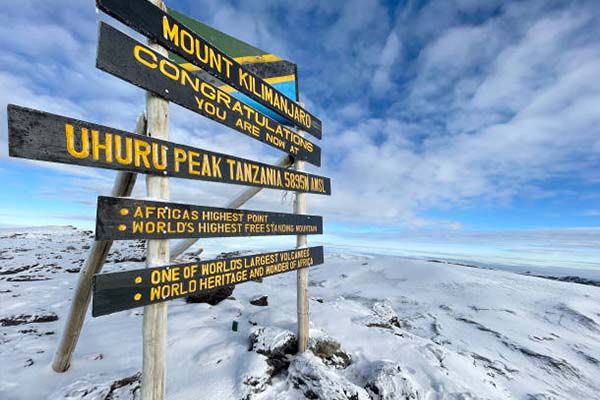
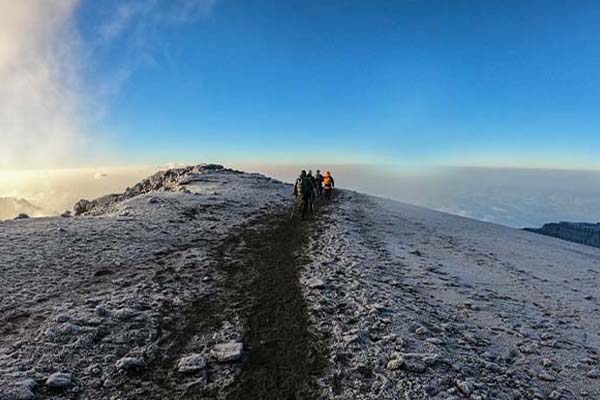
Standing majestically at 5,895 meters (19,341 feet), Mount Kilimanjaro is not just Africa's highest peak, but the tallest free-standing mountain on Earth. As one of the prestigious "Seven Summits," it beckons adventurers from around the globe to walk through five distinct climate zones, ranging from tropical rainforests to sub-zero arctic environments at the summit.
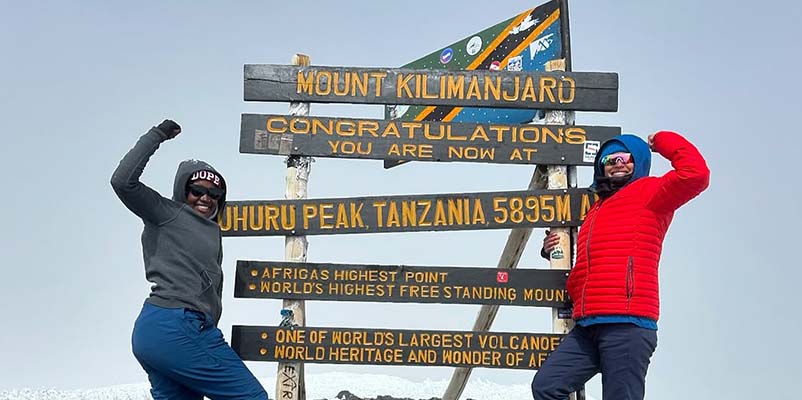
At Safaris Mate, we specialize in high-success-rate expeditions that prioritize safety, professional guidance, and an immersive mountain experience. Whether you're seeking the scenic beauty of the Lemosho Route or the classic challenge of the Machame Route, our team is dedicated to helping you reach Uhuru Peak—the very top of Africa.
The Five Ecological Zones of Kilimanjaro .
1. Cultivation Zone
800m - 1,800m: The lower slopes, rich in volcanic soil, are home to lush coffee and banana plantations and local Chagga villages.
2. Rainforest Zone
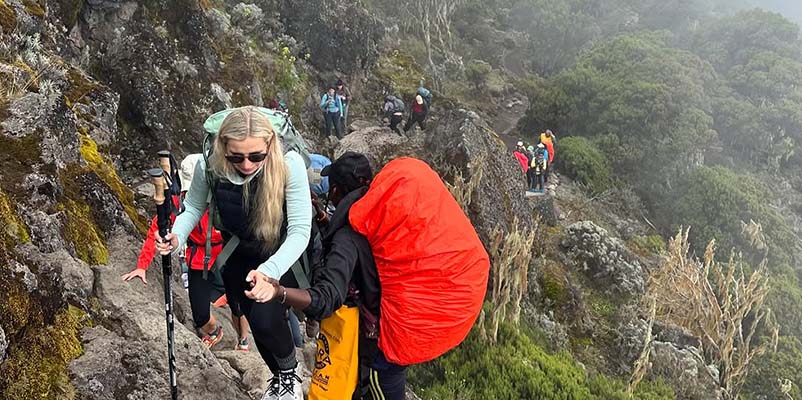
1,800m - 2,800m: A misty, humid world of massive trees and exotic wildlife like Blue Monkeys and Colobus monkeys.
3. Heath & Moorland
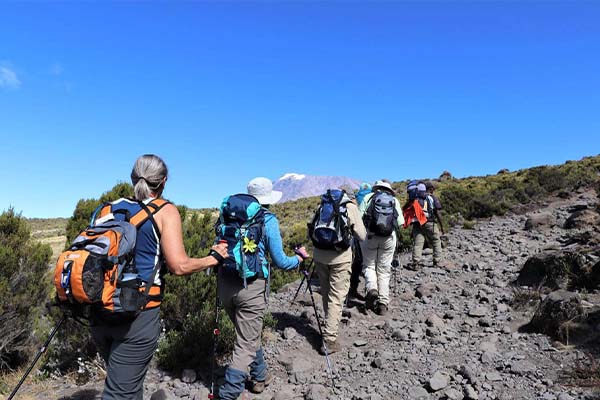
2,800m - 4,000m: Sub-alpine landscape featuring giant lobelias and alien-looking groundsel plants.
4. Alpine Desert
4,000m - 5,000m: Vast, rocky, and stark. Temperatures fluctuate from sun-drenched days to freezing nights.
5. Arctic Zone
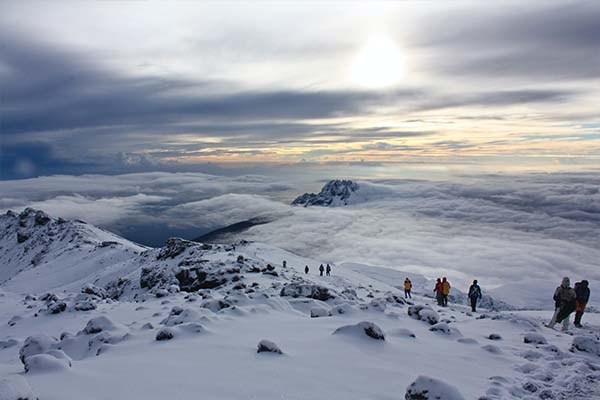
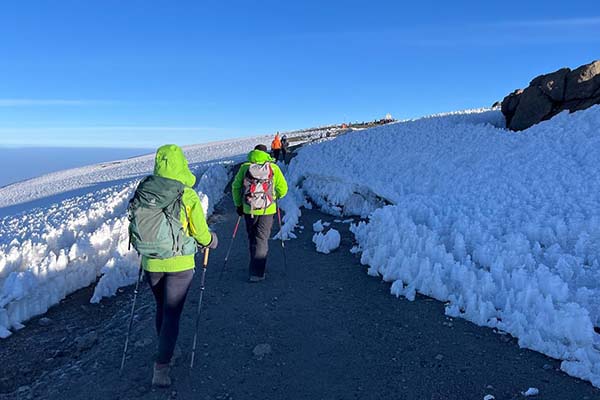
5,000m+: Characterized by ice, scree, and permanent glaciers. The final push to Uhuru Peak with 50% less oxygen.
Route Comparison at a Glance .
| Route | Days | Difficulty | Scenery | Success Rate | Best For |
|---|---|---|---|---|---|
| Machame | 6-7 | High | 5 / 5 | High | Scenic variety, adventure seekers |
| Lemosho | 7-8 | Moderate / High | 5 / 5 | Excellent | Best acclimatization, quiet trails |
| Marangu | 5-6 | Moderate | 3 / 5 | Moderate | Sleeping in huts, budget-friendly |
| Rongai | 6-7 | Moderate | 4 / 5 | High | Dry conditions, northern approach |
Choose Your Route .
Machame Route (6-7 Days)
The "Whiskey Route" famous for its stunning scenery and high success rate thanks to its "walk high, sleep low" acclimatization profile.
View Machame DetailsLemosho Route (7-8 Days)
The most beautiful route on the mountain. It offers a remote start in the rainforest and excellent acclimatization over more days.
View Lemosho DetailsMarangu Route (5-6 Days)
The "Coca-Cola Route" the only route with solar-powered sleeping huts. It is the shortest route but requires good fitness for the summit push.
View Marangu DetailsRongai Route (6-7 Days)
The only route that approaches Kilimanjaro from the North (Kenyan border). It is drier and more remote, perfect for the rainy season.
View Rongai DetailsSafety & Success: Our Expert Edge .
Pulse Oximetry Monitoring
Our guides conduct biometric health checks twice daily (morning and evening), measuring oxygen saturation (SpO2) and heart rate to detect early signs of altitude sickness.
WFR-Certified Guides
Every head guide is a certified Wilderness First Responder. They are trained to handle emergencies in extreme environments and lead with a "safety first" mindset.
Emergency Oxygen Systems
We carry medical-grade oxygen cylinders on every trek for emergency use during the descent if a climber develops severe HAPE or HACE symptoms.
High-Altitude Gastronomy
Loss of appetite is common at altitude. Our chefs prepare nutrient-dense, flavorful meals using fresh local produce to ensure you have the energy required for the summit push.
Preparation & Training.
Climbing Kilimanjaro is a "non-technical" trek, meaning no mountain climbing experience or gear like ropes/ice axes are needed. However, it is physically demanding. We recommend:
- Cardio Endurance: Focus on long-distance walking, cycling, or swimming 3-4 times a week.
- Hiking Practice: Spend time on trails with a 10kg weighted backpack to simulate conditions.
- Mental Fortitude: Prepare for cold, primitive camping, and long summit nights.
- Medical Checkup: Consult your doctor about high-altitude trekking and Diamox.
When to Climb: A Monthly Guide.
Jan – March (Dry & Clear)
Primary climbing season. Generally warmer with clear skies in the mornings. Excellent summit conditions.
April – May (The Long Rains)
Rainforest becomes very muddy. Only recommended for experienced trekkers via the Rongai route which is drier.
June – Oct (Cool & Dry)
Winter in TZ. Stable weather, though colder. This is the busiest time on the mountain. Perfect for any route.
Essential Gear Checklist
Don't forget: Baselayers, insulated down jacket, waterproof hardshell, broken-in trekking boots, 30L daypack, headlamp, and a 4-season sleeping bag. We offer professional gear rentals if you prefer not to carry your own.
Whats Included in Your Trek .
Included
- All KINAPA park fees & rescue fees
- Professional KINAPA-licensed WFR guides
- Skilled mountain porters and professional cook
- 3 hot meals daily plus nutritious snacks
- High-quality 4-season tents & sleeping mats
- Emergency oxygen & first aid kits
- Purified drinking water throughout the trek
Excluded
- International flights & Visa fees
- Personal trekking gear (rentals available)
- Tips for the mountain crew (recommended)
- Travel & medical insurance
- Personal medications & laundry
Kilimanjaro Trekking FAQs .
When is the best time to climb?
The best windows are January to early March and June to October. January and February are generally warmer and clearer, while June to October offer stable, cooler conditions. We also organize treks during the rainy season via the Rongai route, which is shielded from the heaviest moisture.
Do I need specialized training?
While you don't need technical climbing skills (no ropes or crampons), a high level of cardiovascular fitness is vital. We recommend a training program including hiking with a pack, stair-climbing, and endurance sports at least 3 months prior to arrival.
What is the "Pole Pole" philosophy?
"Pole Pole" means "Slowly Slowly" in Swahili. It is the golden rule of high-altitude trekking. Walking slowly allows your body more time to produce the red blood cells needed to transport oxygen in a thin atmosphere.
How do we handle altitude sickness?
Our guides use the Lake Louise Scoring System to monitor symptoms like headaches or nausea. We carry emergency oxygen and Gamow bags on every trek. If symptoms of HAPE or HACE are detected, the protocol is immediate descent, supported by our team.
Supporting Our Mountain Heroes
Behind every successful summit is a team of porters. Safaris Mate is strictly committed to ethical treatment: we ensure fair wages, proper sleeping conditions, medical insurance, and strict weight limits for every porter. By booking with us, you are supporting a sustainable tourism model that respects the backbone of the industry.
Your Summit Journey Starts Here
Join hundreds of successful climbers who have trusted Safaris Mate to guide them to the top of Africa. Whether it's the scenic Machame or the remote Lemosho, your adventure is waiting.