
Photographic Safaris in Tanzania: Private Wildlife Photography Tours .
A photographic safari in Tanzania is designed for travelers who want more than ordinary wildlife viewing. It is for photographers who care about light, timing, animal behavior, vehicle positioning, clean backgrounds, dramatic action and patient guiding.
Tanzania is one of Africa’s best wildlife photography destinations, offering the Serengeti’s big cats and Great Migration, Ngorongoro Crater’s high wildlife density, Tarangire’s elephant herds and baobab landscapes, and Lake Manyara’s birds, forests and scenic backdrops.
At Safaris Mate, our Tanzania photography safaris are private and tailor-made for hobbyists, professional photographers, content creators, wildlife filmmakers and travelers who want slow, patient, image-focused safari experiences.
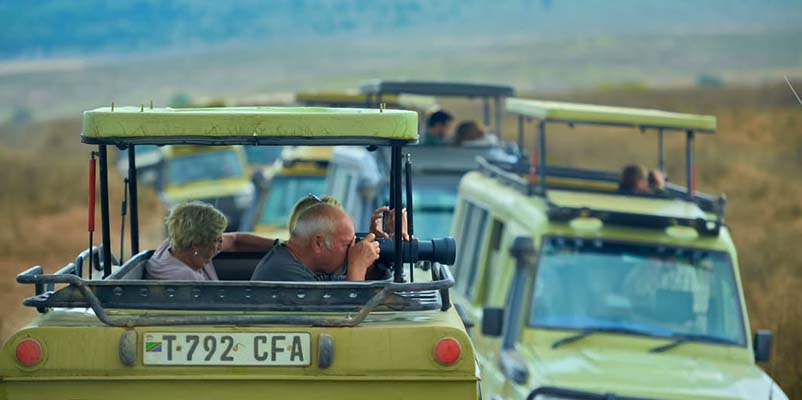
Golden-hour wildlife photography in Serengeti
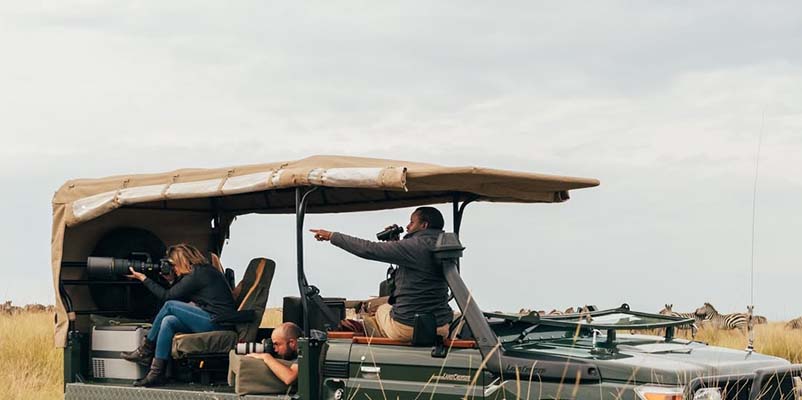
Private vehicles designed for serious photographers
Why Choose a Tanzania Photographic Safari? .
A normal safari focuses on seeing wildlife. A photographic safari focuses on capturing wildlife properly. This means better timing, better vehicle angles, more patience at sightings and guides who understand light, distance, backgrounds and animal behavior.
Private Photo-Focused Vehicle
Enjoy more space for camera bags, long lenses, beanbags and movement. For photographers, we recommend only 2 to 4 guests per vehicle.
Patient Wildlife Viewing
If a leopard is resting, a lion is hunting or elephants are approaching water, we wait. Photography safaris are not rushed.
Best Light & Positioning
Early starts, late finishes and careful positioning help you capture warm light, silhouettes, eye contact and clean backgrounds.
Tailor-Made Photography Route
Your route can focus on big cats, elephants, birds, the Great Migration, landscapes, calving season, river crossings or predator action.
What Makes Our Tanzania Photo Safaris Different? .
Customized 4x4 Safari Vehicles
Our photographic safari vehicles are arranged to give photographers more space, better movement, beanbag support and comfortable shooting angles through windows or pop-up roofs.
Guides Who Understand Photography
Your guide helps with positioning for light, anticipating animal movement and choosing the right distance for clean, natural wildlife images.
Flexible Daily Schedule
Photography safaris need flexibility. We start early, stay late and spend more time where the photographic opportunity is strongest.
On-Board Support
Beanbags, charging points and space for long lenses, camera bodies, hard drives and personal gear can be arranged on request.
Best Tanzania Photography Safari Destinations .
| Destination | Best Photography Subjects | Recommended Stay |
|---|---|---|
| Central Serengeti | Big cats, lions, leopards, cheetahs, plains wildlife and year-round action | 3 - 4 Nights |
| Northern Serengeti | Great Migration river crossings, crocodiles, dramatic movement and predator action | 3 - 5 Nights |
| Ndutu | Calving season, newborn wildebeest, predator hunts and low-grass plains | 3 - 4 Nights |
| Ngorongoro Crater | High wildlife density, black rhino chances, lions, hyenas and dramatic crater scenery | 1 - 2 Nights |
| Tarangire | Elephants, baobabs, dry-season wildlife, dust, sunset silhouettes and birds | 2 Nights |
| Lake Manyara | Birdlife, flamingos, kingfishers, forest scenes, monkeys and scenic landscapes | 1 Night |
Best Time for a Tanzania Photographic Safari .
Tanzania is excellent for photography year-round, but the best season depends on your target subjects. Great wildlife photography is possible in both dry and green seasons.
- • January to March: Best for Ndutu calving season, newborn animals, predator action and green landscapes.
- • June to October: Best for dry-season wildlife, easier animal spotting and classic safari conditions.
- • July to October: Best for Northern Serengeti and Mara River crossing photography.
- • November to December: Good for dramatic skies, fewer crowds, fresh landscapes and returning migration movements.
Recommended Gear for a Tanzania Photography Safari .
You do not need the most expensive camera to enjoy a photography safari, but the right lens range, backups and storage will make your trip much smoother.
Camera & Lens Suggestions
- • 100-400mm or 200-600mm wildlife lens
- • 24-70mm or wide lens for landscapes
- • Backup camera body if possible
- • Binoculars for spotting behavior
- • Fast memory cards for action sequences
Accessories & Field Essentials
- • Extra batteries and chargers
- • Lens cleaning kit for dust
- • External hard drive or SSD backup
- • Beanbag support for long lenses
- • Rain cover or dust protection
Popular Tanzania Photography Safari Styles .
Big Cat Photography Safari
Focus on lions, leopards and cheetahs in Serengeti and Ndutu with patient sightings and early morning drives.
Great Migration Photography Safari
Designed around calving season, herd movement, predator action or dramatic river crossing photography.
Bird Photography Safari
Ideal for photographers interested in flamingos, kingfishers, raptors, bee-eaters, rollers and wetland species.
Luxury Photo Safari
Combine private photographic guiding with luxury lodges, fly-in routes and premium Serengeti or Tarangire camps.
Tanzania Photography Safari FAQs.
Do I need a private vehicle for a photography safari?
Yes, a private vehicle is highly recommended because photographers need flexibility, space, patience and better vehicle positioning.
What is the best lens for wildlife photography in Tanzania?
A 100-400mm, 200-500mm or 200-600mm lens is ideal for most wildlife. A wider lens is also useful for landscapes, camps and environmental portraits.
Can beginners join a photographic safari?
Yes. Photography safaris are suitable for beginners, hobbyists and professionals. The itinerary is adjusted according to your experience and goals.
Is there charging in the safari vehicle?
Charging points or inverters can be arranged in the vehicle. We still recommend carrying extra batteries and charging equipment.
Can I use a drone in Tanzania national parks?
Drone use is strictly regulated in Tanzania national parks and requires advance permits. Do not travel with drone plans without checking regulations first.
When is the best time for Great Migration photography?
January to March is excellent for calving season in Ndutu, while July to October is best for Northern Serengeti and Mara River crossing photography.
Plan Your Tanzania Photographic Safari .
Tell us your camera gear, target species, preferred season and photography goals. Safaris Mate will design a private Tanzania photo safari with the right parks, guide, vehicle, lodges and timing for your best shots.
Request a Photo Safari Proposal